

New Jersey Landlord-Tenant Lawyer Protecting Tenants’ Rights

Direct attorney representation
We represent tenants, never landlords
Licensed in New Jersey and New York
Personal attention on every case
Tenant Legal Representation in New Jersey
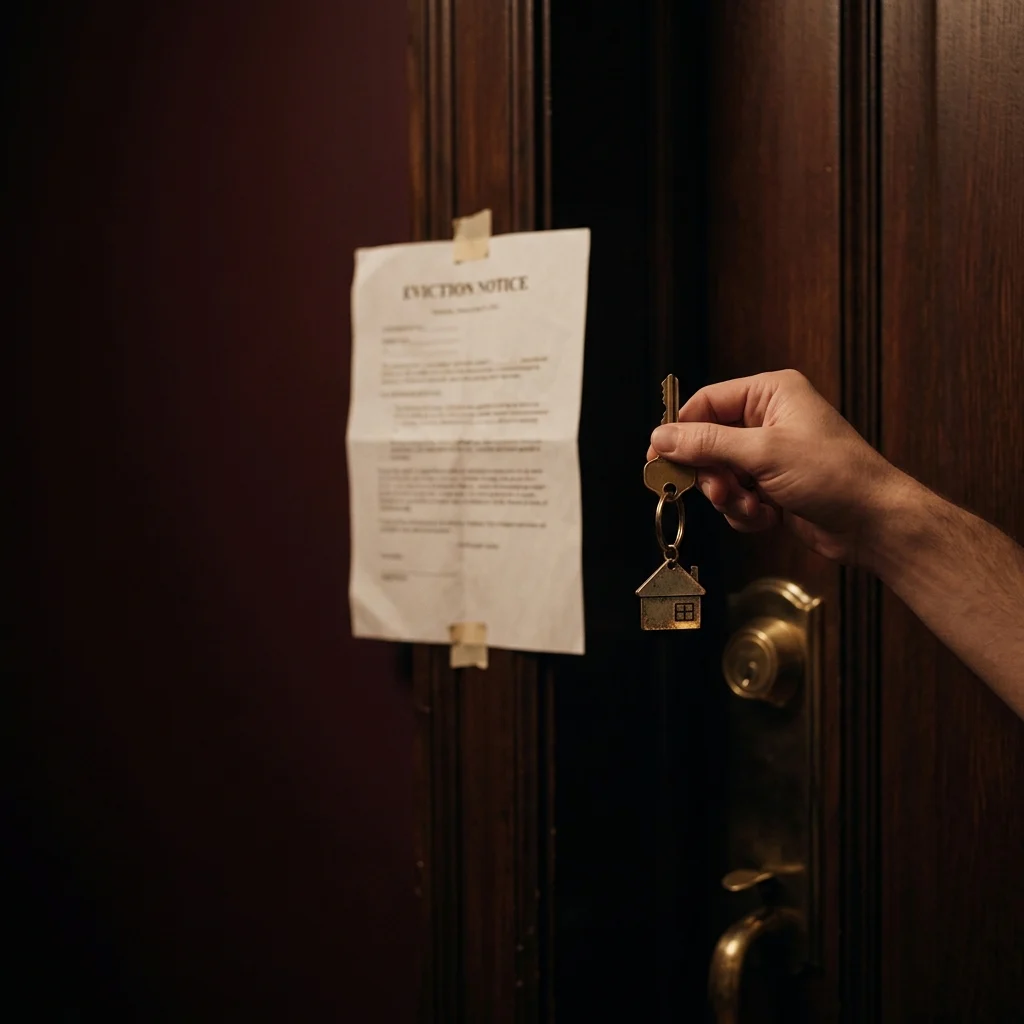
A dispute with a landlord rarely stays small. A notice taped to the door, a repair that never comes, or a deposit that never arrives can turn into lost sleep, missed work, and the fear of losing your home. Many tenants assume the landlord holds all the cards. In New Jersey, that is usually not true.
New Jersey gives residential tenants some of the strongest protections in the country. A landlord cannot remove you without a court judgment, cannot change the locks or shut off utilities to force you out, and must return your security deposit with an itemized statement within 30 days of move-out. A New Jersey tenant lawyer makes sure those protections are enforced.
ARAVANA LAW is a landlord-tenant law firm that represents tenants only, never landlords or management companies. Whether you are facing an eviction case in the Special Civil Part, dealing with an unsafe apartment, or trying to recover money a landlord owes you, the first step is a free conversation about what happened and what the law allows.
How a tenant lawyer may assist
- Reviewing your lease, notices, and court papers and explaining what they mean
- Defending an eviction case and raising every defense the facts support
- Seeking emergency court relief after an illegal lockout or utility shutoff
- Documenting unsafe conditions and pursuing repairs or a rent abatement
- Recovering a wrongfully withheld security deposit, including double damages where the law allows
Landlord-Tenant Cases We Handle

Eviction Defense
Representation in Special Civil Part eviction cases, from reviewing the notice to appearing in court.

Illegal Lockouts and Utility Shutoffs
Emergency relief when a landlord changes locks, removes doors, or cuts heat, water, or power without a court order.

Security Deposit Recovery
Claims for deposits not returned within 30 days or kept without a proper itemized statement.

Unsafe Conditions and Rent Abatement
Mold, no heat, pests, leaks, and other habitability problems a landlord refuses to fix.

Landlord Harassment and Retaliation
Threats, repeated entry without notice, and punishment for complaints or code reports.

Notices to Quit and Lease Terminations
Reviewing termination and nonrenewal notices for the good cause New Jersey law requires.

Rent Increase Disputes
Challenges to increases that violate local rent control or are unconscionable under New Jersey law.

Injuries From Dangerous Conditions
Injury claims when a landlord’s neglect of stairs, lighting, or common areas causes harm.

What Happens After You Contact Our Firm?

Initial Consultation
You tell us what is happening and share your lease, any notices, and any court papers. We explain your rights and whether we can help. The consultation is free.

Case Evaluation
We review the notices for defects, check the deadlines that apply, and tell you honestly what your options are, including whether an eviction case can be defended or resolved.

Evidence and Documentation
We gather photographs, repair requests, texts and emails with the landlord, payment records, and inspection reports before they are lost.

Negotiation With the Landlord
Many disputes settle once a landlord sees the tenant is represented. We negotiate repairs, deposit returns, or move-out terms. Any agreement is your decision.

Court When Necessary
If the landlord will not resolve the matter, we represent you in the Special Civil Part or file a claim on your behalf, including emergency applications after a lockout.
Frequently Asked Questions About Tenant Rights in New Jersey
Do not move out on the strength of the notice alone, and do not ignore it. Keep the notice and the envelope, note how and when you received it, and get legal advice promptly. A notice to quit is not an eviction order. The landlord still has to file a case, and you have the right to appear and defend it.
Not always. Many New Jersey municipalities have rent control ordinances that limit increases, and a court may refuse to enforce an increase that is unconscionable even where no ordinance applies. A landlord also must give proper written notice before an increase takes effect. We can review the increase against the lease, local ordinance, and state law.
New Jersey law prohibits a landlord from evicting or penalizing a tenant for complaining to a government agency, joining a tenant organization, or asserting legal rights. If a notice or rent increase follows closely after a complaint, retaliation may be a defense and may support a claim against the landlord.
FREE CASE REVIEW
- Free Consultation
- No Win, No Fee
- We Fight for You