
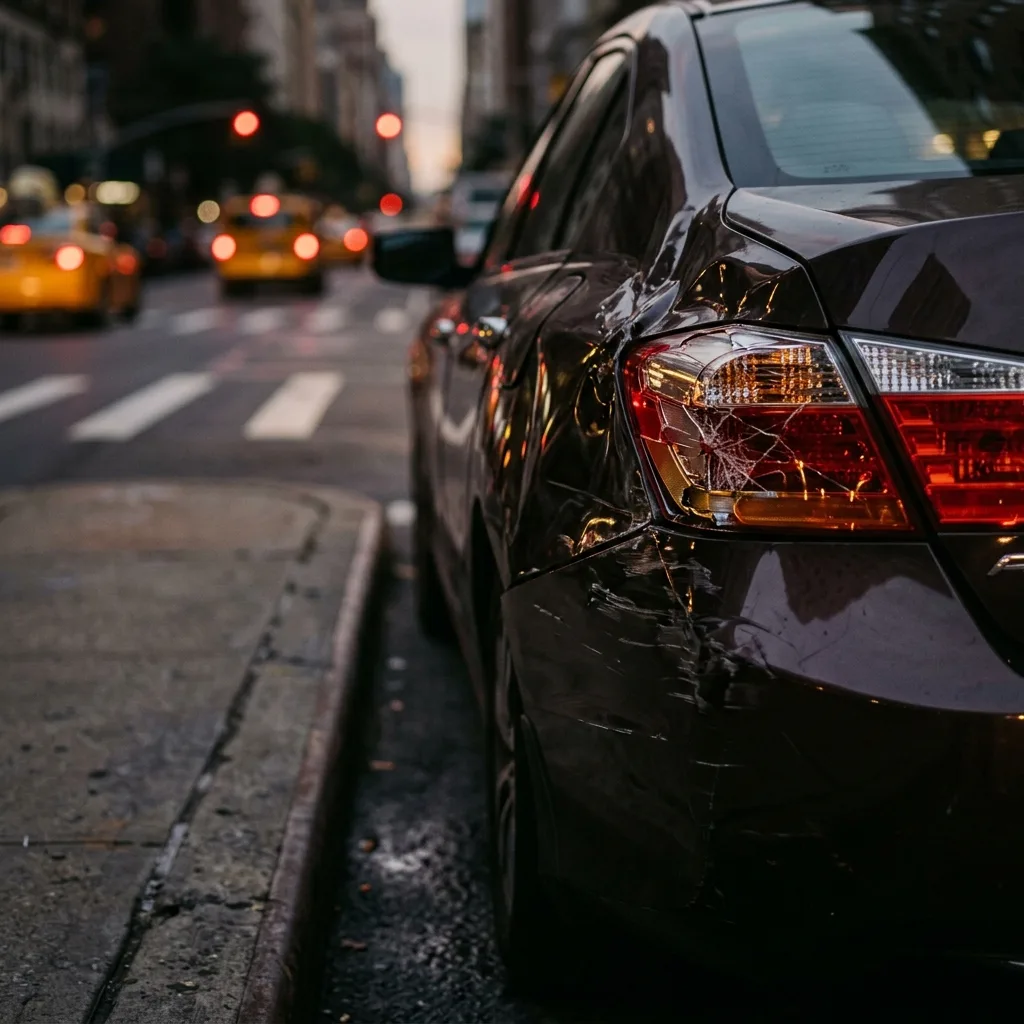

New York Car Accident Lawyer Fighting for Injured Drivers, Passengers, and Pedestrians

After a crash you are dealing with injuries, a damaged car, no-fault paperwork, and insurance companies that want statements before you have had time to think. At ARAVANA LAW you work directly with attorney Ara Naljian, a car accident lawyer in New York who gets your no-fault benefits moving, deals with the insurers for you, and pursues a claim against the driver who caused the collision.

Direct attorney representation

We represent injured people, not insurers

Licensed in New York and New Jersey

Trial-focused legal strategy

Understanding New York Car Accident Claims

If you are looking for a car accident lawyer in New York, you are probably dealing with more than a damaged vehicle. A collision can mean emergency room visits, follow-up treatment, time away from work, and a daily commute that suddenly got harder. Even a crash that seems minor can cause neck, back, or head injuries that take days to show.

What happens in the first days often shapes the claim. Photographs of the vehicles and the scene, the police accident report, witness contact details, and prompt medical records all help show how the collision happened and how it affected you. New York’s no-fault system adds its own rules: a no-fault application is generally due within 30 days, no-fault pays medical bills and lost earnings first, and a claim for pain and suffering requires a serious injury as the law defines it.

A New York car accident attorney reviews fault, identifies the insurance coverage that applies, and handles communication with the insurers so that you are not negotiating alone. No two crashes are the same, and what you may recover depends on the facts, your injuries, the policies involved, and New York law, which changed in 2026 for motor vehicle claims. The first step is a free conversation about what happened.

How a car accident lawyer may assist

Types of Car Accidents We Handle

How a crash happens affects who is responsible and which evidence matters most. The firm handles injury claims arising from these collisions.

Rear-End Collisions

Common in stop-and-go traffic on the BQE, the FDR, and city avenues. Fault may seem obvious, but insurers still dispute how serious the injuries are.

Intersection and Failure-to-Yield Accidents

Crashes at lights, stop signs, and left turns, where right of way, signal timing, and witness accounts often decide fault.

Head-On and T-Bone Collisions

Among the most severe crashes, involving wrong-way driving, unsafe passing, or a driver running a light into the side of your car.

Multi-Vehicle and Highway Crashes

Chain-reaction and high-speed crashes on the LIE, the Cross Bronx, the Belt Parkway, and the bridges and tunnels, with several drivers and insurers involved.

Distracted Driving Accidents

Phone use and other distractions behind the wheel. Phone records and witness statements can help show what the driver was doing.

Drunk and Drug-Impaired Driving Accidents

An injury claim is separate from any criminal case against the impaired driver and can go forward alongside it.

Hit-and-Run Accidents

When the other driver leaves the scene or is never identified, your own uninsured motorist coverage or the MVAIC fund may apply.

Taxi, Rideshare, and Commercial Vehicle Accidents

Crashes involving yellow cabs, Uber, Lyft, delivery vans, buses, and trucks, which can bring additional insurance policies into play.

What Happens After You Contact Our Firm?

Most people have never hired a lawyer before. Here is what to expect, step by step. The actual process varies from case to case.

Initial Consultation

You tell us what happened and share the police report, photographs, and any insurance letters. We explain your rights and whether we can help. The consultation is free.

Case Evaluation

We review fault, the auto insurance policies involved, your no-fault benefits, and whether your injuries meet New York’s serious injury threshold, then tell you honestly where you stand.

Investigation and Evidence

We obtain the police report, medical records, and proof of lost income, request camera footage before it is erased, and identify witnesses.

Insurance Claim and Negotiation

Once your injuries and losses are documented, we present the claim to the insurer and negotiate. Whether to accept any offer is your decision.

Litigation When Necessary

If the insurer will not resolve the claim fairly, we file a lawsuit in the New York courts and prepare the case for trial.

Frequently Asked Questions About New York Car Accidents

General information, not legal advice for your situation. For answers about your own crash, speak with the attorney.

As soon as you can after getting medical care. Your no-fault application is generally due to the insurer within 30 days of the crash, camera footage can be erased within days, and a claim involving the City or another public entity usually requires a notice of claim within 90 days. An early call also helps you avoid mistakes when dealing with adjusters.

New York is a no-fault state. The insurer of the car you were in, or that struck you as a pedestrian, pays your medical bills and part of your lost earnings regardless of fault, generally up to $50,000 in basic economic loss. No-fault does not pay for pain and suffering. To claim that, you must sue the at-fault driver and show a serious injury as New York law defines it. Motorcyclists are not covered by no-fault.

New York allows a lawsuit for pain and suffering after a car accident only if the injury falls into one of the categories in the Insurance Law, such as a fracture, significant disfigurement, permanent loss or limitation of use of a body part, or death. A 2026 change removed the 90-out-of-180-days category for non-permanent injuries. Whether your injury qualifies depends on the medical evidence, which is why prompt and consistent treatment matters.

It depends on the claim and when it was filed. For most New York injury claims, your recovery is reduced by your percentage of fault but not barred. Since May 26, 2026, motor vehicle injury lawsuits that are subject to the no-fault law follow a stricter rule: the claim is barred if your fault is greater than that of the people you are suing. Insurers often argue shared fault, so evidence of how the crash happened matters.

Your own uninsured motorist coverage, which every New York auto policy must include, may apply to an uninsured driver or an unidentified hit-and-run driver. Supplementary underinsured motorist coverage may help when the at-fault driver’s limits are too low. If you were a pedestrian or have no policy in your household, the Motor Vehicle Accident Indemnification Corporation (MVAIC) may provide a remedy, subject to short notice deadlines.

Depending on the facts, a claim may include medical expenses beyond no-fault, future treatment, lost wages, reduced earning capacity, and pain and suffering where the serious injury threshold is met. New York law also caps non-economic damages at $100,000 in certain cases involving an uninsured, impaired, or felony-committing injured driver. What applies in your case depends on your injuries, the coverage involved, and the law. No lawyer can promise a result.

The consultation is free. Car accident injury cases are handled on a contingency fee: nothing up front, and an attorney’s fee only if money is recovered for you. New York court rules regulate contingency fees in personal injury cases, and the fee and the handling of case expenses are explained in a written retainer agreement before you decide to hire the firm.

Not always. Many car accident claims are resolved through negotiation with the insurance company, sometimes after a lawsuit has been filed. If a fair resolution is not offered, the case can proceed to trial. ARAVANA LAW prepares each case with that possibility in mind. Whether to accept a settlement is your decision.

Bring what you have: the police accident report or its number, photographs, the other driver’s information, your auto insurance card or declarations page, any no-fault forms or denial letters, medical records and bills, and proof of missed work. If you are missing some of these, come anyway. The firm can help obtain them.

Most New York car accident injury lawsuits must be filed within three years of the crash, but that is not the deadline for every claim. Wrongful death claims are generally two years from the date of death. A claim against the City of New York or another public entity usually requires a notice of claim within 90 days and a lawsuit within one year and 90 days. No-fault, uninsured motorist, and MVAIC claims have their own short notice requirements. Because a missed deadline can end a claim, get legal advice promptly.

FREE CASE REVIEW


Scroll to Top