
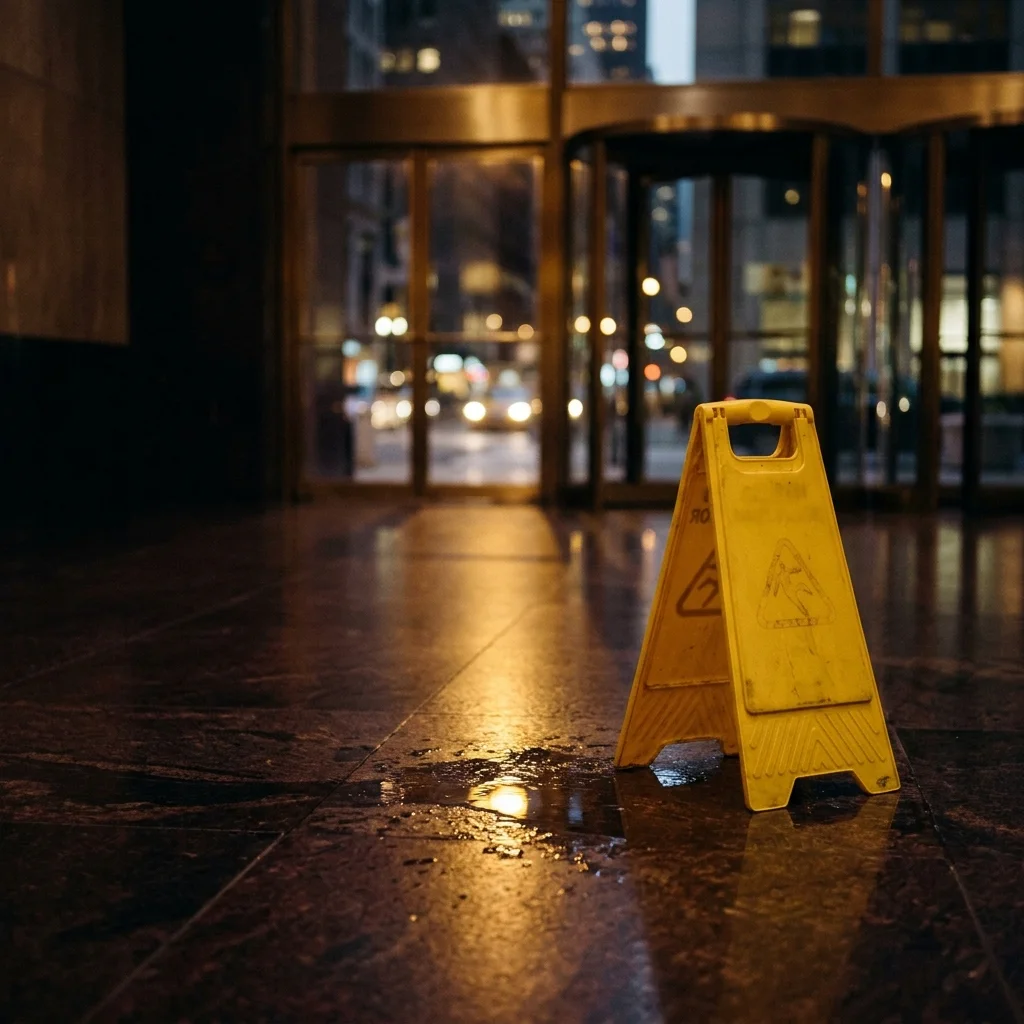

New York Premises Liability Lawyer Holding Property Owners Accountable

A wet floor, an icy walkway, a broken step, or a dark stairwell can cause an injury that takes months to recover from, and the owner usually says it had no idea the problem existed. At ARAVANA LAW you work directly with attorney Ara Naljian, a premises liability lawyer in New York who moves immediately on the video and the condition, identifies everyone responsible for the space, and builds the case the insurer cannot wave away.

Direct attorney representation

We represent injured people, not insurers

Licensed in New Jersey and New York

Trial-focused legal strategy

Understanding New York Premises Liability Claims

If you are looking for a premises liability lawyer in New York, you were probably hurt somewhere you had every right to be: a store, a restaurant, an apartment lobby or stairwell, a subway station, or a city sidewalk. Falls are easy to dismiss until the X-ray comes back. Fractured wrists and hips, torn ligaments, concussions, and back injuries can mean surgery, months of therapy, and time away from work.

New York law requires property owners and the people who control property to keep it reasonably safe for everyone lawfully there, to inspect for hazards, and to fix them or warn about them. In New York City, the owner of the abutting property is usually responsible for the sidewalk as well. The usual defense is that the owner did not know about the condition. The case turns on what the owner knew, how long the condition existed, and what was done about it, which is proved through prior complaints, work orders, inspection logs, repair invoices, municipal violation records, and surveillance video that is often overwritten within days.

A New York premises liability attorney determines who owns and controls the ground you were hurt on, because leases and service contracts often shift responsibility to a managing agent, a commercial tenant, a snow removal vendor, a cleaning company, or a security contractor, and because claims involving the City, NYCHA, or the MTA carry deadlines measured in weeks. No two cases are the same, and what you may recover depends on the condition, who controlled it, and your injuries. The first step is a free conversation about what happened.

How a premises liability lawyer may assist

Premises Liability Cases We Handle

Where you were hurt and who controlled the area determine who is responsible and what has to be proved. The firm handles injury claims arising from these conditions.

Slip, Trip, and Fall Injuries

Falls on wet floors, loose mats, uneven surfaces, and cluttered aisles in stores, restaurants, office buildings, and apartment lobbies.

Snow and Ice Accidents

Falls on untreated sidewalks, entrances, and parking areas that a building owner or snow removal contractor failed to clear after a storm.

Sidewalk, Stairway, and Walkway Defects

Broken sidewalks, defective steps, missing handrails, and poorly maintained walkways, including claims under New York City’s sidewalk law.

Negligent Security and Inadequate Lighting

Assaults and falls in stairwells, lobbies, garages, and parking areas where locks, lighting, cameras, or security were lacking.

Apartment and Common Area Injuries

Injuries to tenants and guests from conditions a landlord or managing agent failed to repair, including lead paint exposure and ceiling collapses.

Elevator and Escalator Injuries

Sudden stops, misleveling, door malfunctions, and escalator failures in residential towers, subway stations, and commercial buildings.

Falling Objects and Structural Collapses

Unsecured merchandise and fixtures, scaffold and sidewalk shed hazards, ceiling and wall collapses, and unguarded openings.

Injuries on Public and NYCHA Property

Falls and other injuries on city sidewalks, parks, schools, subway stations, and public housing, where a notice of claim is usually required within 90 days.

What Happens After You Contact Our Firm?

Most people have never hired a lawyer before. Here is what to expect, step by step. The actual process varies from case to case.

Initial Consultation

You tell us where you fell or were hurt, what the condition was, and whether anyone was told. We explain your rights and whether we can help. The consultation is free.

Case Evaluation

We determine who owns and controls the ground you were hurt on, review leases and service contracts that assign maintenance duties, and check whether a city agency or authority is involved, then tell you honestly where you stand.

Investigation and Evidence

We move on the video and the condition immediately: preservation letters for surveillance footage, photographs before the repair, 311 and HPD records, incident reports, and witness statements.

Claim and Negotiation

We build the history of the condition through complaints, work orders, inspection logs, and violation records, document your losses, and present the claim to the insurer. Any settlement is your decision.

Litigation When Necessary

If the insurer will not resolve the claim fairly, we file suit in the New York Supreme Court and prepare the case for trial.

Frequently Asked Questions About New York Premises Liability

General information, not legal advice for your situation. For answers about your own accident, speak with the attorney.
Premises liability is the area of law that holds property owners and the people who control property responsible for injuries caused by unsafe conditions. In New York, an owner or occupier owes a duty of reasonable care to everyone lawfully on the property to keep it reasonably safe, inspect for hazards, and fix them or warn about them. Who is responsible depends on who owned, controlled, or had a duty to maintain the area where you were hurt.
Usually, yes. An injured person generally must show that the owner created the condition, had actual notice of it, or had constructive notice, meaning the condition was visible and existed long enough that reasonable inspection would have found it. The most common defense is that the owner had no idea the problem existed. That is why prior complaints, work orders, inspection logs, 311 records, and surveillance video matter.
In New York City, the owner of the property abutting a sidewalk is generally responsible for keeping it in reasonably safe repair and for clearing snow and ice, with an exception for owner-occupied one-, two-, and three-family homes used only as residences, where the City remains responsible. Claims against the City generally require prior written notice of the defect and a notice of claim within 90 days. Who is responsible depends on the exact location of the fall.
Owners and those who control property must clear snow and ice within a reasonable time after a storm ends, and a contractor hired to do the work can also be responsible. Under New York’s storm in progress rule, there is generally no duty to clear while the storm is ongoing. New York City also sets time limits for clearing sidewalks after snowfall. The timing of the fall and the weather records matter.
Report the fall to a manager or the building superintendent before you leave and ask for a written incident report. Photograph the condition, your footwear, and the area, and get names of witnesses. Get medical care the same day and describe how you fell. Do not give a recorded statement to the owner’s insurer before you have legal advice. Surveillance video is often overwritten within days, so call a lawyer quickly.
Yes. New York follows pure comparative negligence for premises claims: your recovery is reduced by your percentage of fault, but it is not barred even if you were mostly at fault. Owners frequently argue that the hazard was open and obvious or that you were not paying attention, so evidence of the condition and the lighting matters.
Depending on the leases and service contracts, responsibility may fall on the managing agent, a commercial tenant that controlled its own space, a cleaning contractor, a snow removal vendor, a security company, an elevator maintenance company, or a contractor whose scaffold or sidewalk shed created the hazard. Identifying everyone responsible for the space early is one of the most important steps in the case.
Depending on the facts, a claim may include medical expenses and future treatment, lost wages and reduced earning capacity, pain and suffering, and other documented losses. Serious falls often cause fractures, head injuries, and spinal injuries with long recoveries. What applies in your case depends on your injuries, the insurance coverage available, and New York law. No lawyer can promise a result.
The consultation is free. Premises liability cases are handled on a contingency fee: nothing up front, and an attorney’s fee only if money is recovered for you. New York court rules regulate contingency fees in personal injury cases, and the fee and the handling of case expenses are explained in a written retainer agreement before you decide to hire the firm.
Most New York premises liability lawsuits must be filed within three years of the injury, and wrongful death claims generally within two years of the death. If the property is owned by the City, NYCHA, the MTA, a school district, or another public entity, a notice of claim is usually required within 90 days and a lawsuit within one year and 90 days. Because a missed deadline can end a claim, get legal advice promptly.

FREE CASE REVIEW


Scroll to Top